Wellness & Prevention
Wellness and prevention represent a fundamental shift in how we approach health: instead of waiting for symptoms to appear, we take deliberate steps today to protect our wellbeing tomorrow. This proactive mindset encompasses everything from attending routine health checks and moving throughout the day, to managing stress, nourishing the gut-brain axis, and staying current with vaccinations. Yet despite its proven benefits, prevention remains paradoxically overlooked—often sacrificed to immediate demands until a health crisis forces our attention.
The modern wellness landscape presents both unprecedented opportunities and genuine challenges. We have access to NHS health checks, wearable devices that monitor heart rate variability, home testing kits delivered to our doorstep, and growing evidence that gardening or community connection can rival medication for certain conditions. But we also face information overload, the anxiety of over-tracking, and the confusion of distinguishing evidence-based prevention from wellness trends lacking scientific support.
This resource brings together the essential pillars of effective prevention: when and why to engage with screening programmes, how to integrate movement into sedentary routines, strategies for mental wellbeing beyond pharmaceuticals alone, the gut-brain connection, navigating digital health tools wisely, understanding immunisation across the lifespan, and managing chronic conditions without burnout. Whether you are approaching your first NHS Health Check or refining years of self-care habits, these evidence-informed strategies will help you build a sustainable, personalised prevention plan.
Preventive Health Screening: Your First Line of Defence
Preventive screening detects risk factors and early-stage conditions before symptoms emerge, when intervention is most effective. The NHS Health Check, offered to adults aged 40-74 without pre-existing conditions, assesses cardiovascular risk by measuring blood pressure, cholesterol, BMI, and calculating your « heart age »—a compelling metric that translates complex data into an easily understood comparison. Research consistently shows that individuals who skip these checks miss critical windows to address hypertension, high cholesterol, or early diabetes through lifestyle changes alone, potentially losing years of healthy life.
Beyond routine checks, understanding the optimal timing for seasonal vaccinations matters significantly. The flu jab, for instance, offers maximum winter protection when administered within a specific window—typically early autumn—allowing your immune system sufficient time to build robust antibodies before peak transmission season. Mistiming by just a few weeks can reduce effectiveness considerably.
Private health screenings and « full-body MOTs » have surged in popularity, but the crucial question remains: do they offer genuine value beyond NHS provision, or simply expensive reassurance? For most people without specific risk factors, comprehensive private screening often detects incidental findings requiring further investigation—leading to what some call « cascade testing »—without improving actual health outcomes. However, for those with strong family histories or specific occupational exposures, targeted private tests can fill legitimate gaps. The key is approaching screening strategically, not anxiously, understanding that more testing does not automatically equal better health.
Movement as Medicine: Exercise Beyond the Gym
Physical activity remains one of the most powerful preventive interventions available, yet the traditional gym-centric model fails many people. The emerging concept of « exercise snacks »—brief bursts of movement scattered throughout the day—offers a more accessible and, for certain outcomes, equally effective alternative. A ten-minute walk after each main meal, for example, can flatten post-meal blood sugar spikes by approximately 30%, making it particularly valuable for diabetes prevention and management.
For office workers facing sedentary reality, these micro-movements integrate seamlessly into existing routines: taking stairs during phone calls, standing during meetings, or performing bodyweight exercises between tasks. The metabolic benefits accumulate throughout the day, and unlike gym sessions requiring motivation and logistics, exercise snacks leverage existing transitions in your schedule.
As we age beyond 40, the type of exercise matters increasingly. While walking provides cardiovascular benefits, it does not sufficiently challenge muscles to prevent the sarcopenia (age-related muscle loss) that undermines independence and metabolic health in later decades. Resistance training—whether with weights, resistance bands, or bodyweight—becomes essential, not optional. Similarly, the debate between HIIT and yoga for managing corporate burnout misses the point: both offer distinct benefits (HIIT for cardiovascular fitness and time efficiency; yoga for nervous system regulation and mobility), and an effective prevention plan strategically incorporates elements of both according to individual needs and current stress levels.
Mental Wellbeing: Breaking the Medication-Only Mindset
Prevention in mental health means building resilience before crisis hits and recognising that pharmaceutical intervention, while sometimes necessary and lifesaving, represents only one tool among many. Growing evidence supports what clinicians call « social prescribing »—GPs recommending activities like gardening, art classes, or volunteering rather than immediately prescribing antidepressants for mild to moderate depression. Community connection activates similar neurobiological pathways as medication, increasing serotonin and reducing cortisol, without side effects.
Many local councils fund free or subsidised exercise classes, walking groups, and mental health support programmes that remain underutilised simply because people do not know they exist. Locating these resources often requires just a phone call to your local council’s public health department or checking their website’s community wellbeing section.
The « perfect patient trap » illustrates an ironic dimension of wellness culture: obsessively pursuing health can paradoxically increase anxiety and diminish actual wellbeing. When tracking metrics, optimising routines, and striving for perfect adherence becomes psychologically burdensome, the intervention has become counterproductive. Effective prevention balances informed action with psychological ease, recognising that consistency matters more than perfection, and that stress itself represents a significant health risk worth preventing.
The Gut-Brain Connection: Nutrition for Body and Mind
The bidirectional communication between your gut microbiome and brain—the gut-brain axis—represents one of the most significant developments in understanding both physical and mental health. Those « butterflies » you feel when anxious are not merely metaphorical; they reflect actual neurotransmitter activity, as approximately 90% of serotonin is produced in the gut, not the brain.
Supporting a diverse, resilient microbiome through nutrition can measurably reduce anxiety symptoms within weeks. The foundation includes:
- Prebiotics: non-digestible fibres that feed beneficial bacteria (found in onions, garlic, leeks, asparagus, oats)
- Probiotics: live beneficial bacteria themselves (found in yoghurt, kefir, sauerkraut, kimchi, kombucha)
- Sufficient fibre: 30g daily supports both microbiome diversity and metabolic health, though increasing too quickly causes uncomfortable bloating
Many people struggle with fermented foods, finding sauerkraut or kimchi unpalatable. Practical alternatives include adding small amounts to familiar dishes (kimchi in fried rice, sauerkraut in toasted sandwiches), starting with milder options like kefir or natural yoghurt, or gradually building tolerance with tiny portions. The goal is consistency, not volume.
Conversely, artificial sweeteners in diet sodas can disrupt microbiome composition in ways that paradoxically worsen anxiety, despite being marketed as healthier alternatives. While occasional consumption poses little concern, daily reliance on artificially sweetened beverages may undermine the very wellness goals motivating the choice. Prioritising whole foods and viewing such products as occasional conveniences rather than daily staples represents a more sustainable approach.
Digital Health Tools: When Tracking Helps and When It Harms
Wearable technology has democratised access to health metrics once available only in clinical settings: continuous heart rate monitoring, HRV (heart rate variability) scores, sleep architecture analysis, and even ECG capabilities. These tools can genuinely support prevention when used wisely—identifying patterns, motivating behaviour change, or detecting genuine abnormalities warranting medical attention.
However, they also generate new forms of anxiety. « False positive » heart rate alerts on smartwatches, for instance, frequently trigger unnecessary panic and A&E visits for normal physiological variations. Similarly, obsessing over sleep scores can create a counterproductive feedback loop where anxiety about sleep quality actually worsens sleep—a phenomenon researchers have termed « orthosomnia ».
The distinction between a high HRV (generally positive, indicating nervous system flexibility) and a low HRV (often reflecting stress or inadequate recovery) illustrates how raw data requires context and understanding. Without that knowledge, numbers become sources of confusion rather than clarity. Using recovery data to avoid overtraining and injury represents intelligent prevention; using it to fuel health anxiety represents misapplication.
Home testing kits for blood work, vitamin levels, or hormones offer convenience and autonomy, but quality varies significantly. Finger-prick samples can fail before reaching the lab due to inadequate blood volume, improper storage, or collection timing errors. For certain tests—particularly hormones—the cycle day or time of day dramatically affects results, rendering poorly timed tests meaningless. Understanding when to trust home testing versus when to insist on supervised clinical testing prevents both wasted money and misleading results.
Vaccination and Immunisation: Protection Across the Lifespan
Prevention through vaccination remains among the most cost-effective health interventions, yet uptake often lags due to misconceptions, access barriers, or simple unawareness. The shingles vaccine exemplifies this gap: many adults assume childhood chickenpox provides lifelong protection, not realising the same varicella-zoster virus lies dormant and can reactivate decades later as painful, potentially debilitating shingles. The vaccine significantly reduces this risk but often requires private payment for those under 70.
Understanding the distinction between live and non-live vaccines matters particularly for immunocompromised individuals, who cannot safely receive live vaccines. Non-live (inactivated or subunit) vaccines present no infection risk but sometimes require boosters for sustained protection.
Timing multiple vaccinations requires strategic planning. Scheduling your RSV vaccine too close to your flu jab, for example, can reduce the immune response to one or both. Spacing them by at least a few weeks optimises effectiveness. Travel clinics, private pharmacies, and NHS services offer different vaccine access points, and knowing which stocks specific vaccines (like Shingrix for shingles) saves frustration and delay.
Healthy 60-year-olds often underestimate their pneumonia risk, assuming it primarily threatens the very elderly or chronically ill. In reality, immune function declines gradually from middle age, and pneumococcal vaccination at 65 prevents serious illness and hospitalisation. Proactive vaccination before vulnerability peaks exemplifies prevention at its finest.
Alcohol and Liver Health: Finding Your Sustainable Balance
The relationship between alcohol consumption and health operates on a spectrum, not a binary. While complete abstinence eliminates alcohol-related risks, sustainable moderation proves more realistic and psychologically viable for many people. The liver, remarkably regenerative, requires at least three consecutive alcohol-free days weekly to repair and recover from regular drinking. Spreading consumption across every day, even in small amounts, denies this recovery window.
The « Dry January » versus moderation debate misses crucial nuance: a month of abstinence can reset tolerance, improve sleep, and demonstrate autonomy over the habit, but its benefits evaporate quickly if followed by compensatory overdrinking in February. Sustainable behaviour change—reducing volume, scheduling alcohol-free days, and examining the emotional drivers behind drinking—matters more than short-term elimination.
Social pressure around alcohol remains significant, particularly in work environments. Developing comfortable strategies to decline drinks— »I have an early start tomorrow, » « I am on a health reset, » or simply « I am not drinking tonight »—without lengthy justification preserves social connection while honouring health priorities. The rising quality and availability of alcohol-free beers and spirits makes this easier, though it is worth noting that while 0% beer avoids alcohol’s harms, it does not actively contribute nutrition and should not be confused with genuinely healthy beverages.
« Hangxiety »—the intense anxiety following alcohol consumption—reflects alcohol’s impact on neurotransmitters, particularly the rebound effect as GABA suppression wears off and glutamate surges. Understanding this chemistry helps contextualise the experience and reinforces the value of moderation or abstinence for those particularly susceptible.
Living Well with Chronic Conditions: Beyond Perfect Numbers
For individuals managing chronic conditions like Type 1 diabetes, prevention shifts from avoiding disease onset to preventing complications and preserving quality of life. This requires 24/7 vigilance that can lead to legitimate patient burnout—a state of physical and emotional exhaustion from the relentless demands of self-management. Recognising burnout as a medical reality, not personal failure, is the first step toward addressing it.
« Spoon theory » offers a powerful metaphor for explaining chronic illness fatigue to others: imagine starting each day with a finite number of spoons, where each activity costs spoons, and unlike healthy individuals, you cannot borrow tomorrow’s spoons. This framework helps friends, family, and employers understand why someone might cancel plans or decline opportunities despite appearing well.
The tension between optimal numbers and mental health surfaces frequently: when is it acceptable to relax glucose targets, blood pressure goals, or medication schedules for psychological relief? While clinical guidelines provide targets, individualised care recognises that overly rigid adherence can paradoxically worsen outcomes if it triggers anxiety, depression, or total disengagement. Strategic flexibility—tightening control when possible, accepting looser management during high-stress periods—represents mature self-care.
Carers face particular prevention challenges, often neglecting their own health while supporting partners or relatives. Scheduling personal health appointments, maintaining social connections, and accepting respite support is not selfish—it is essential prevention against carer breakdown. Similarly, taking deliberate breaks from health apps and tracking, when safe to do so, can provide crucial psychological relief without endangering health.
Wellness and prevention ultimately mean making informed choices aligned with your values, circumstances, and evidence—not pursuing an impossible standard of perfection. It encompasses attending screenings that genuinely reduce risk, integrating movement throughout your day, supporting mental health through connection and nature, nourishing the gut-brain axis, using technology as a servant rather than master, staying current with vaccinations, finding sustainable approaches to alcohol, and managing chronic conditions with compassion for yourself. The goal is not living longer at any cost, but protecting the quality and vitality of the years ahead.

Why You Should Pay for the Shingles Vaccine Before Age 70
Paying for the Shingrix vaccine before you are eligible for a free NHS jab is one of the highest-return investments you can make in your future health and quality of life. It provides over 90% protection against a common, debilitating…
Lire la suite
Dry January vs Moderation: A Hepatologist’s Guide to Long-Term Liver Health
Instead of a simple choice, think of abstinence and moderation as strategic partners for your health. Short-term abstinence (like Dry January) acts as a powerful « biochemical reset » for your liver and brain chemistry. This reset makes it significantly easier to…
Lire la suite
How to Fix Your Gut Health to Reduce Anxiety Symptoms in 4 Weeks
Fixing your gut is a direct psychiatric intervention for anxiety, not just a wellness trend. Your gut produces over 90% of your serotonin; feeding your microbiome correctly is a primary tool for mood regulation. Common « healthy » choices like diet sodas…
Lire la suite
How to Avoid ‘Patient Burnout’ When Managing Type 1 Diabetes 24/7
The relentless pursuit of ‘perfect’ blood sugar numbers is a direct path to burnout; the true solution lies in strategically giving yourself permission to be imperfect. Diabetes management is a high-load cognitive job, not just a medical task, and it…
Lire la suite
Why Walking 10 Minutes After Meals Is Better Than a Gym Membership for Diabetics
A strategic 10-minute walk after meals is a more effective tool for immediate blood sugar control than a single, longer and more intense workout. It forces your muscles to immediately use the glucose from your food for energy, blunting sugar…
Lire la suite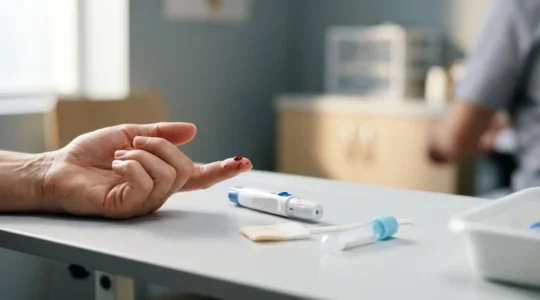
Home Blood Tests vs. a GP Visit: A Clinical Biochemist’s Guide to Accuracy
The accuracy of a home blood test depends less on the laboratory and more on you. The biggest source of error is not the analysis but the « pre-analytical » phase: how the sample is collected, handled, and transported. Finger-prick samples are…
Lire la suite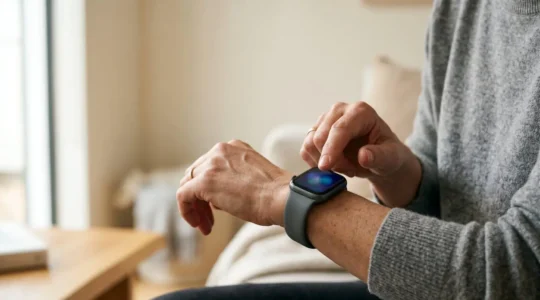
Is Your Apple Watch Giving You False Anxiety About Heart Rate Spikes?
Your wearable isn’t the source of anxiety; our relationship with its data is. The key is shifting from obsessive tracking to skillful interpretation. A single alarming data point (like a heart rate spike or low HRV) is usually meaningless « noise. »…
Lire la suite
The Urban Dweller’s Survival Guide: Reclaiming Your Health from Hidden City Stressors
The constant fatigue of city living isn’t a personal failing; it’s a biochemical response to a high-stress environment that you can learn to manage. Chronic environmental factors like traffic noise and ‘tech neck’ continuously elevate stress hormones, impacting everything from…
Lire la suite
Why Your GP Might Prescribe Gardening Instead of Antidepressants
Social prescribing is a science-backed strategy for building a personal support system that works with your body, not just on it, by addressing the root causes of mild anxiety and loneliness. Community activities provide « social scaffolding » that measurably reduces feelings…
Lire la suite
Why Skipping Your NHS Health Check Could Cost You 10 Healthy Years
The free NHS Health Check is more valuable than a £300 private scan because it’s a targeted investment in your ‘health span’—the years you live actively and well. It identifies silent risks like high blood pressure or diabetes years before…
Lire la suite